WhatsApp Marketing Mistakes That Could Get Your Number Blocked
Learn the biggest mistakes businesses make on WhatsApp marketing and how to avoid them while building customer trust and long-term engagement.
Introduction
WhatsApp has become one of the most powerful marketing channels for businesses. With billions of active users worldwide and exceptionally high message open rates, it's no surprise that businesses increasingly rely on WhatsApp to promote products, provide customer support, send updates, and build stronger customer relationships.
However, WhatsApp isn't like email or SMS. It is primarily a personal messaging platform. People expect conversations to be relevant, timely, and helpful—not unsolicited or spammy.
If your marketing practices annoy recipients, your business number can quickly develop a poor reputation. Customers may block or report your number, your message quality may decline, and in severe cases, your ability to communicate through WhatsApp can be restricted.
The good news is that these issues are almost entirely preventable.
In this guide, we'll look at the most common WhatsApp marketing mistakes businesses make and, more importantly, how you can avoid them.
Why WhatsApp Takes Spam Seriously
WhatsApp's success depends on user trust. If users start receiving large amounts of unwanted promotional messages, they'll stop using the platform for personal communication.
To protect users, WhatsApp continuously monitors signals such as:
- Customer blocks
- Customer reports
- Message engagement
- Delivery quality
- Business reputation
- Policy violations
Businesses that consistently provide valuable, permission-based communication generally maintain a healthy sender reputation.
Mistake 1: Messaging People Without Their Permission
This is the biggest mistake businesses make.
Just because someone gave you their phone number doesn't automatically mean they want marketing messages.
Examples
❌ A customer fills out a warranty registration form.
A week later:
"Mega Sale! Buy one get one free!"
The customer never agreed to receive promotions.
Better approach
Always collect explicit consent.
Examples:
- "Would you like to receive offers on WhatsApp?"
- "Tick here to receive promotional messages."
- "Reply YES to receive updates."
Permission-based marketing results in:
- Higher response rates
- Better customer trust
- Fewer complaints
- Better long-term engagement
Mistake 2: Buying Contact Lists
Buying thousands of phone numbers may sound like a shortcut.
In reality, it's one of the fastest ways to damage your sender reputation.
These recipients:
- Don't know your business
- Didn't request your messages
- Are more likely to block you
- May report you as spam
A list of 500 interested customers is far more valuable than 50,000 random contacts.
Focus on building your own audience through:
- Website forms
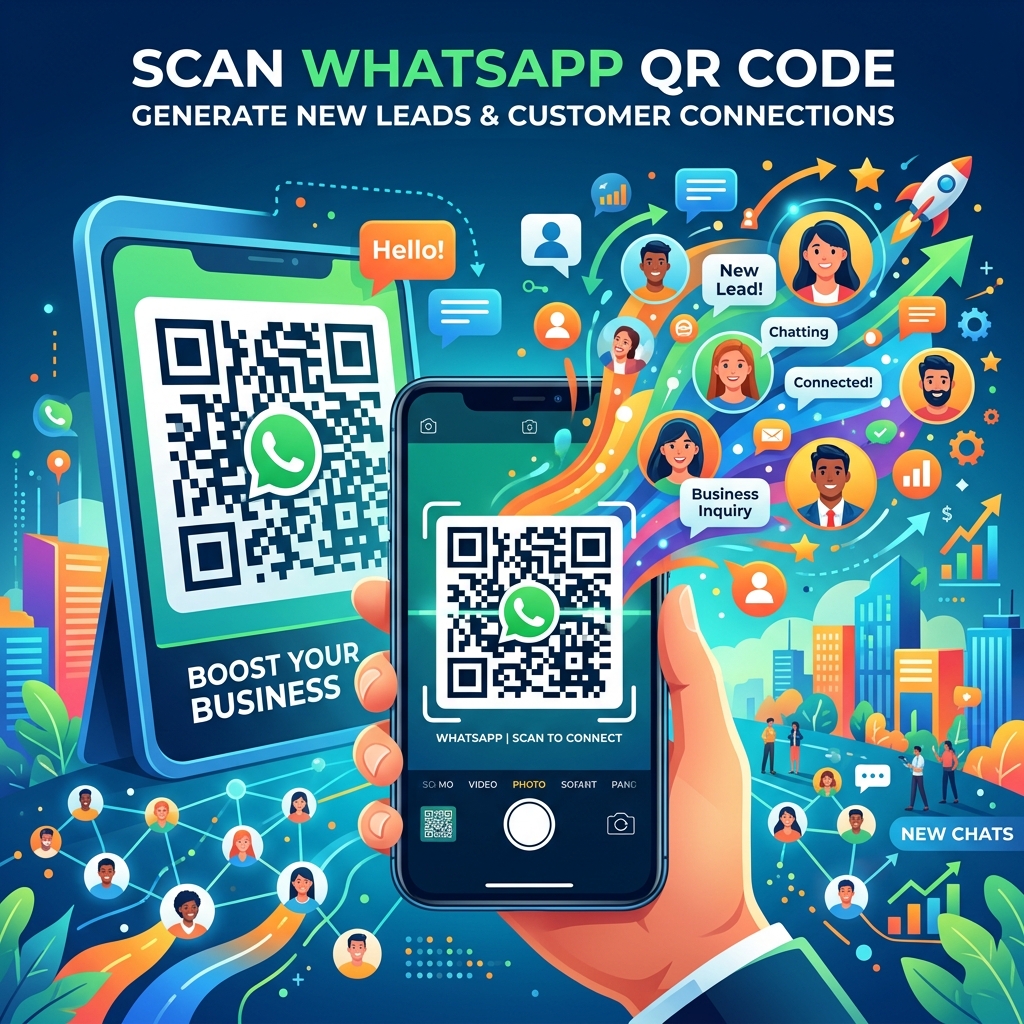
- QR codes
- In-store signups
- Social media
- Events
- Existing customers
 }})
Mistake 3: Sending Promotional Messages Too Frequently
Many businesses think:
"If I send more offers, I'll get more sales."
The opposite is often true.
Imagine receiving promotional messages every day from the same business.
Eventually you'll:
- Ignore them
- Mute the chat
- Block the number
A better frequency
The ideal frequency depends on your industry, but as a general rule:
- Only send when you have something valuable to say.
- Avoid repeating the same offer.
- Let customers breathe between campaigns.
Quality beats quantity.
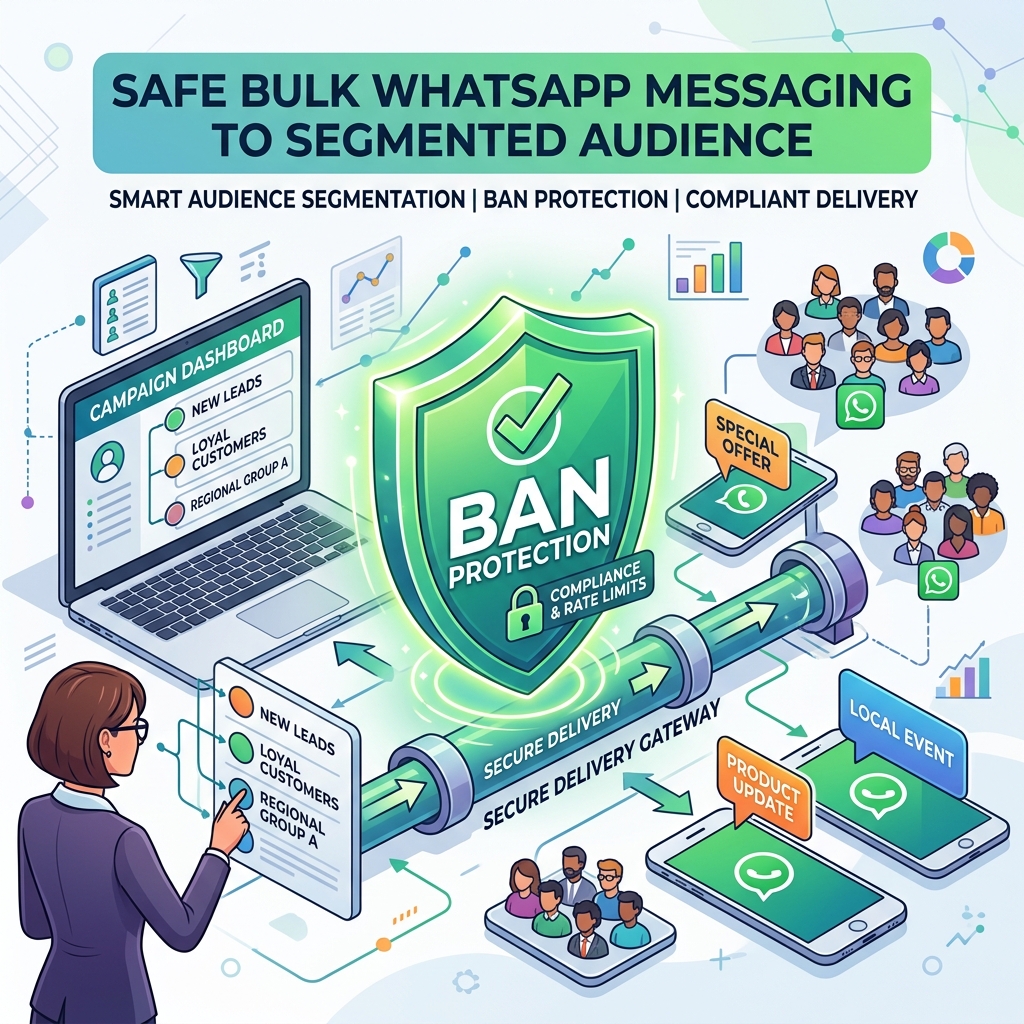
Mistake 4: Sending the Same Message to Everyone
Every customer is different.
A new lead shouldn't receive the same message as a loyal customer.
Examples of segmentation include:
- New customers
- Existing customers
- VIP customers
- Customers interested in a specific product category
- Customers from a particular city
- Customers whose memberships are about to expire
- Customers who abandoned a cart
Personalized campaigns almost always outperform generic broadcasts.
Mistake 5: Ignoring Customer Responses
Some businesses treat WhatsApp like a one-way advertising platform.
They send promotions but never reply when customers ask questions.
Imagine receiving:
"Limited offer today!"
You ask:
"Is this available in blue?"
No response.
Customers lose confidence quickly.
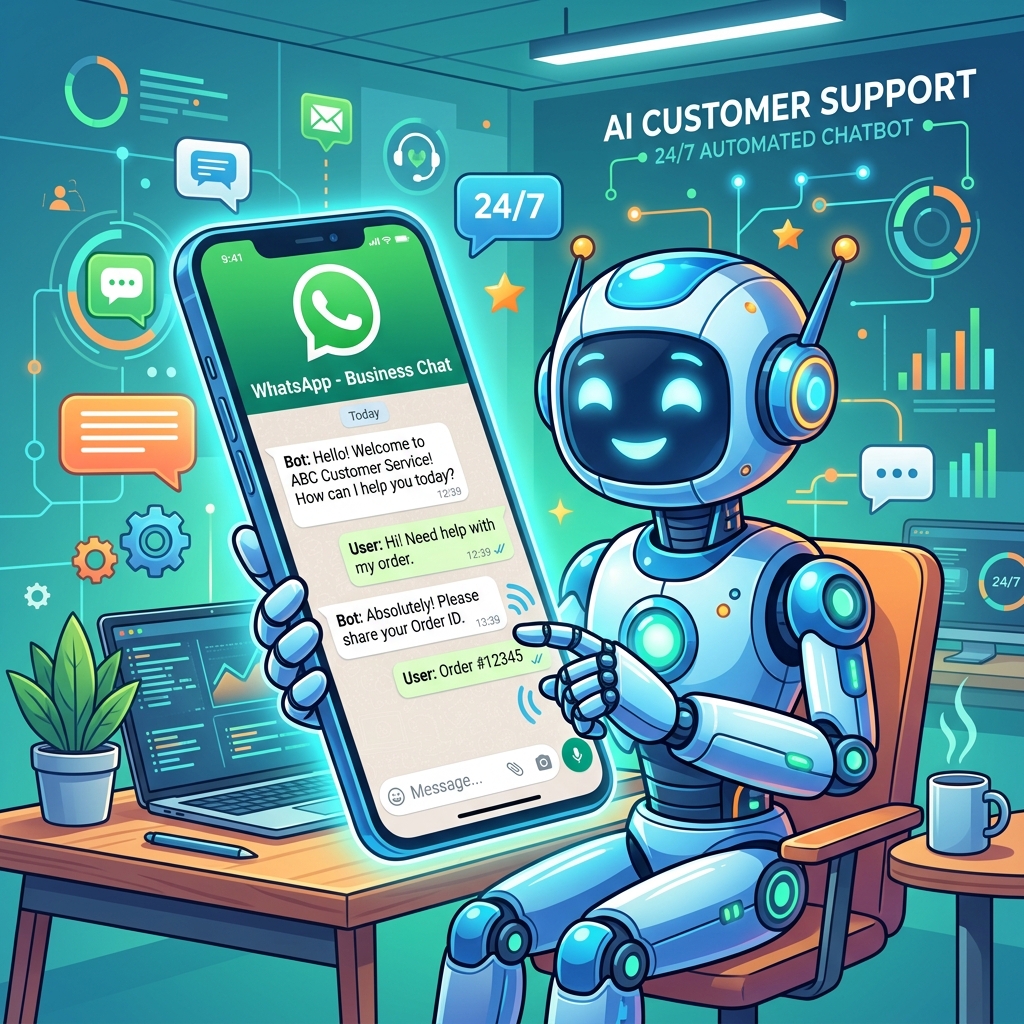
If you're using automation, ensure there is always an easy path to reach a human when needed.
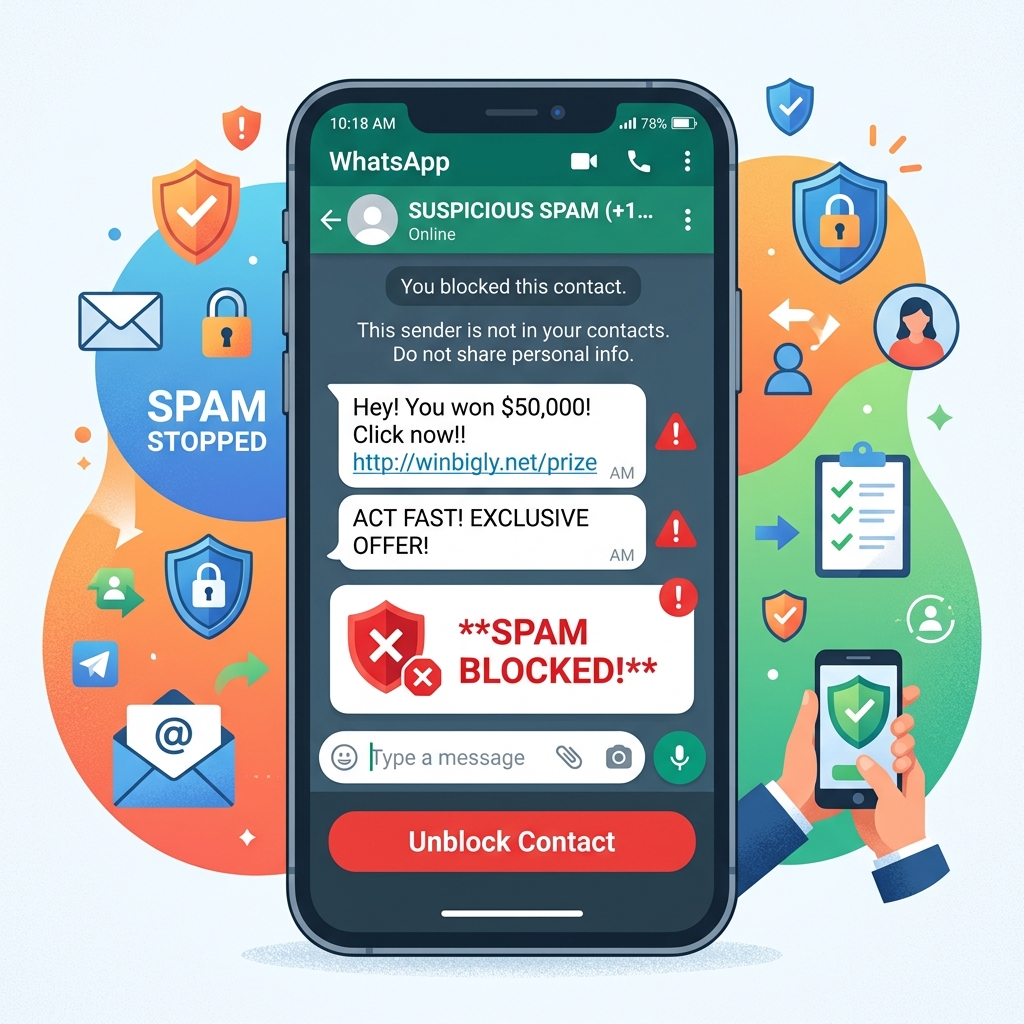
Mistake 6: Writing Messages That Look Like Spam
Customers instantly recognize spam.
Avoid messages like:
- 🚫 LIMITED OFFER!!!!!!!!
- 🚫 CLICK NOW!!!!!
- 🚫 DON'T MISS THIS!!!!!
- 🚫 URGENT!!!!!
- 🚫 BUY NOW!!!!!
Instead, write naturally.
Example:
Hi Sarah,
We've just launched our new summer collection. Since you purchased from us last month, we thought you might like an early look.
It feels like a conversation—not an advertisement.
Mistake 7: Sending Messages at the Wrong Time
Timing matters.
Avoid sending marketing messages:
- Late at night
- Very early morning
- During public holidays (unless relevant)
- During busy work hours without a reason
Consider when your customers are most likely to appreciate your message.
For example:
A restaurant might promote lunch specials around 11:00 a.m., while a salon may see better engagement for weekend appointment reminders on Thursday or Friday.
Mistake 8: Providing No Value
Before sending any campaign, ask yourself:
"What's in it for the customer?"
Good messages might:
- Solve a problem
- Announce a genuinely useful product
- Share educational content
- Offer an exclusive discount
- Provide service updates
- Send appointment reminders
- Notify about new stock
Bad messages simply say:
"Buy now."
Every message should answer the customer's question:
"Why should I care?"
Mistake 9: Using Unofficial Bulk Messaging Tools
Many cheap tools claim:
- Unlimited WhatsApp messages
- No approvals required
- Millions of messages instantly
These tools often violate WhatsApp's policies and can put your account at risk.
If you're serious about long-term marketing, use official solutions that follow WhatsApp's rules and support approved messaging workflows.
Mistake 10: Not Monitoring Customer Feedback
Customers communicate through their actions.
Watch for signals such as:
- Low reply rates
- High unsubscribe requests
- Customers asking to stop messages
- More people blocking your number
- Falling campaign engagement
These are signs that your messaging strategy needs adjustment.
Regularly review campaign performance and refine your approach based on customer behavior.
Mistake 11: Sending Generic Messages Instead of Personalized Ones
Customers appreciate businesses that remember them.
Compare these:
Generic:
New arrivals now available.
Personalized:
Hi David, the running shoes you asked about last week are now back in stock.
The second message feels relevant because it reflects the customer's interests.
Simple personalization—such as using a customer's name, referencing previous purchases, or suggesting related products—can significantly improve engagement.
Mistake 12: Not Following Up Properly
Following up is important.
Harassing customers isn't.
A healthy follow-up sequence might look like:
- Day 1: Product information
- Day 3: Answer common questions
- Day 6: Customer testimonials
- Day 10: Limited-time offer
- Day 20: Helpful educational content
This approach builds trust while giving customers space to make decisions.
Mistake 13: Ignoring Customer Preferences
Some customers may want:
- Product updates
- Service reminders
- Order notifications
But not promotional offers.
Give customers control by allowing them to choose what types of messages they'd like to receive. Respecting these preferences improves satisfaction and reduces opt-outs.
Mistake 14: Forgetting That WhatsApp Is a Conversation
One of the biggest mindset shifts is to stop thinking of WhatsApp as a broadcast channel.
Instead, think of it as a relationship-building platform.
The businesses that succeed on WhatsApp don't just advertise—they:
- Listen
- Respond
- Help
- Educate
- Solve problems
- Build trust
Sales become a natural outcome of consistently positive conversations.
WhatsApp Marketing Best Practices Checklist
Before sending any campaign, ask yourself:
- ✅ Did the customer give permission to receive messages?
- ✅ Is this message relevant to this audience?
- ✅ Does it provide genuine value?
- ✅ Is the timing appropriate?
- ✅ Is the message personalized where possible?
- ✅ Can customers easily reply?
- ✅ Are you using an official WhatsApp solution?
- ✅ Would you be happy to receive this message yourself?
If you answered "No" to any of these, revise the campaign before sending it.
Frequently Asked Questions
Can WhatsApp ban my business number?
WhatsApp may restrict or take action against accounts that repeatedly violate its policies or generate excessive spam reports. Following permission-based marketing practices and using official business solutions helps reduce this risk.
Is bulk messaging allowed?
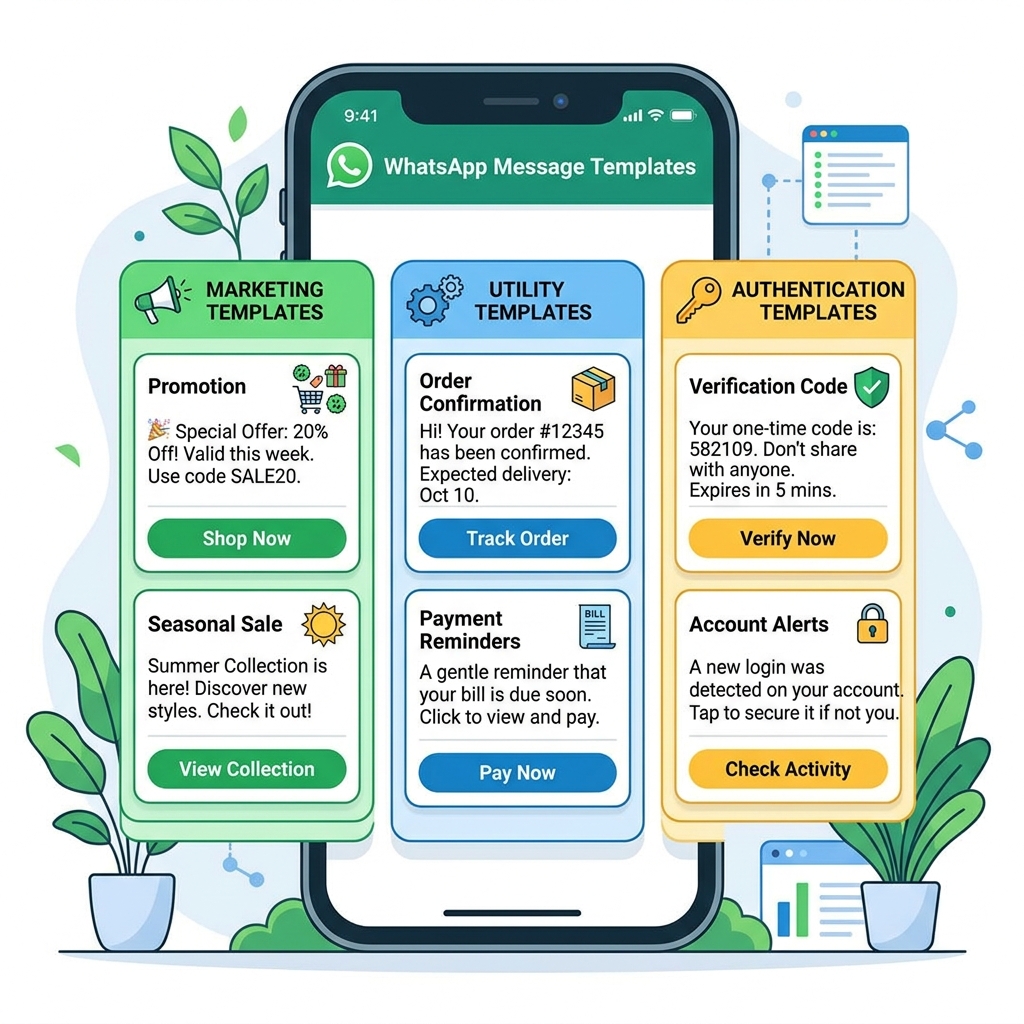
Yes—but only when done responsibly. Businesses should send messages to customers who have opted in, use approved templates where required, and ensure the content is relevant and valuable.
How often should I send promotional messages?
There is no universal rule. The right frequency depends on your industry and audience. Focus on sending messages only when they provide genuine value, rather than following a fixed schedule.
What's the difference between a block and a report?
Blocking prevents your messages from reaching that customer. Reporting also signals to WhatsApp that the recipient believes your messages are unwanted, which can negatively affect your sender reputation if it happens frequently.
Final Thoughts
WhatsApp marketing isn't about sending the highest number of messages—it's about sending the right messages to the right people at the right time.
Businesses that respect customer preferences, communicate with permission, personalize their messages, and focus on delivering value consistently achieve stronger engagement, better response rates, and lasting customer relationships.
Treat WhatsApp as a conversation rather than a loudspeaker. Build trust before promoting products, listen as much as you speak, and make every message worth opening.
Done well, WhatsApp becomes more than a marketing channel—it becomes one of the most effective ways to strengthen customer relationships and grow your business sustainably.