Introduction: The New Era of WhatsApp Marketing
In the rapidly evolving landscape of conversational marketing, WhatsApp has emerged as an undisputed powerhouse. With billions of active users globally, it offers unparalleled open rates and engagement compared to traditional email marketing. However, simply using WhatsApp is not enough to guarantee success. How you communicate with your audience—specifically, whether you rely on manual Broadcast Messages or sophisticated Automated WhatsApp Campaigns—can make or break your marketing ROI.
While both methods allow you to reach multiple customers simultaneously, they serve fundamentally different purposes, rely on different technologies, and yield vastly different results. In this comprehensive guide, we'll dive deep into the differences between WhatsApp broadcasts and automated campaigns, explore their unique use cases, and help you determine how to leverage Zeserv to execute a flawless conversational strategy.
Understanding WhatsApp Broadcasts
A WhatsApp broadcast is a method of sending a single message to multiple recipients at the same time. Think of it as the WhatsApp equivalent of a BCC (Blind Carbon Copy) email or a bulk SMS. When you send a broadcast, the message appears in each recipient's chat as a standard, one-on-one message from your business. If they reply, the conversation remains private.
Pros of Broadcast Messages
- Immediate Reach: Ideal for urgent, time-sensitive announcements.
- Simplicity: Easy to set up and send directly from the WhatsApp Business App.
- Direct Communication: Appears as a personal message, fostering direct engagement.
Cons of Broadcast Messages
- The "Saved Number" Limitation: On the standard WhatsApp Business App, a contact must have your phone number saved in their address book to receive your broadcast. If they don't, the message simply won't deliver.
- List Size Limits: The standard app restricts broadcast lists to 256 contacts each, making it cumbersome for growing businesses to scale.
- Lack of Personalization: While you send a single message, you cannot easily insert dynamic variables (like the recipient's first name) dynamically through the free app.
- Manual Execution: You must manually create the list and hit "send." You cannot trigger these based on specific customer actions.
Best Use Cases for Broadcasts
Broadcasts shine when you need to distribute general information quickly. Excellent scenarios include:
- Announcing a flash sale or limited-time holiday promotion.
- Notifying customers of unexpected store closures or service outages.
- Sending general holiday greetings or company newsletters.
Understanding Automated WhatsApp Campaigns
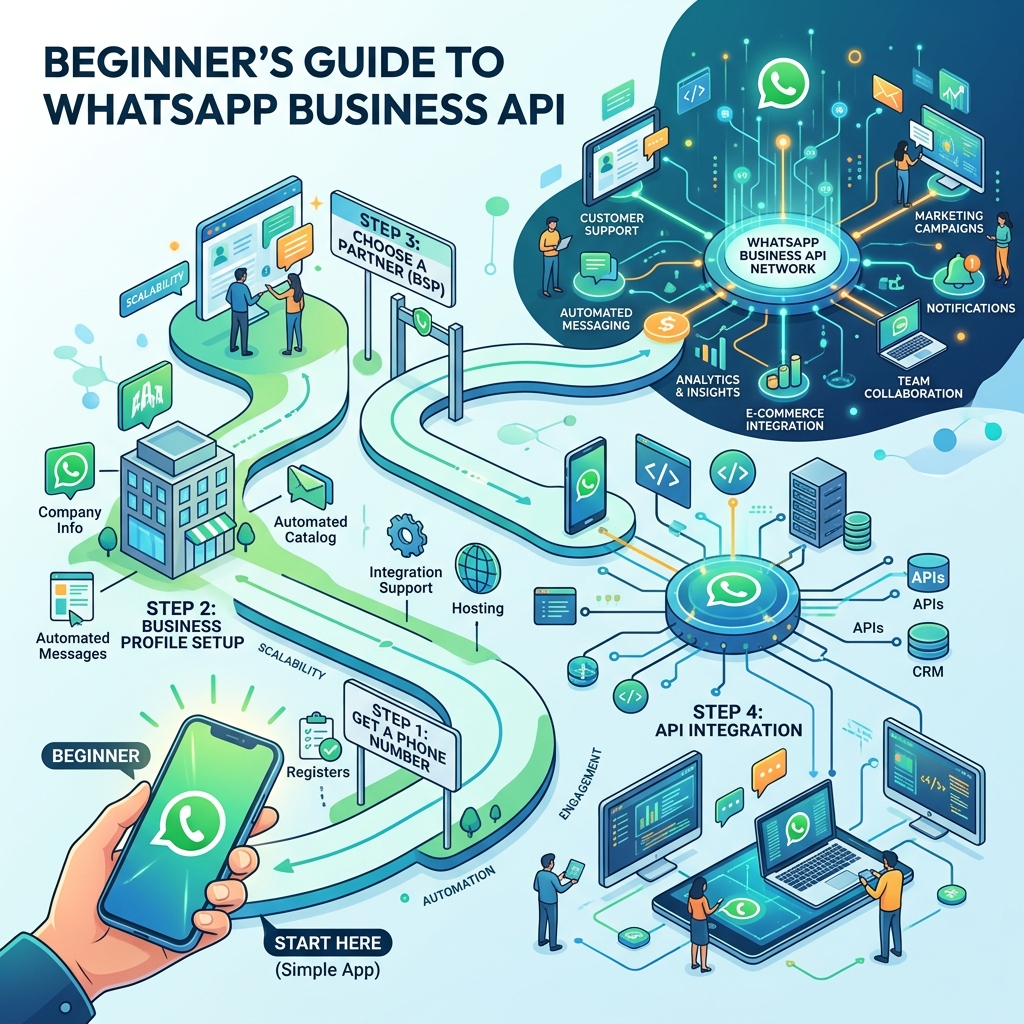
Automated WhatsApp Campaigns represent the evolution of conversational marketing. Powered by the WhatsApp Business API and advanced platforms like Zeserv, these campaigns trigger specific messages based on predefined rules, user behaviors, or time delays. Instead of manually pushing a message, you design a flow that runs autonomously.
Pros of Automated Campaigns
- Behavior-Driven Triggers: Messages are sent exactly when they are most relevant—for instance, 15 minutes after a user abandons a shopping cart.
- Deep Personalization: Pull data from your CRM to include names, past purchase history, and tailored product recommendations.
- No "Saved Number" Requirement: Because it operates via the WhatsApp Business API, your messages will reach opted-in users regardless of whether they have saved your number.
- Infinite Scalability: Engage thousands of prospects simultaneously through automated drip sequences without manual intervention.
Cons of Automated Campaigns
- Requires API Access and a CRM: You cannot run automated campaigns on the standard WhatsApp Business App. You need an official API provider and a platform like Zeserv.
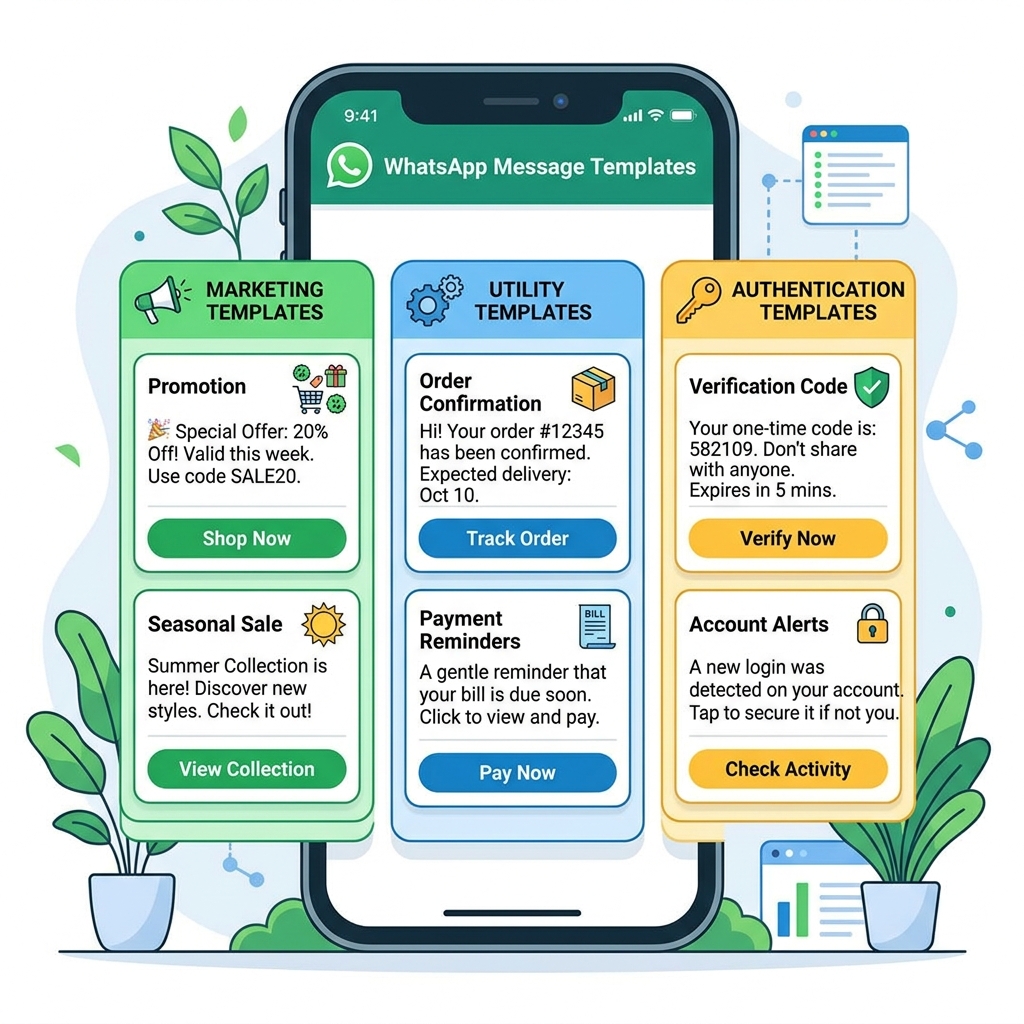
- Template Approvals: Meta (WhatsApp's parent company) requires that business-initiated automated messages use pre-approved templates to prevent spam.
- Initial Setup Time: Building a strategic automated flow takes more initial effort than typing out a quick broadcast.
Best Use Cases for Automated Campaigns
Automation thrives on timing and context. Use automated campaigns for:
- Abandoned Cart Recovery: Nudging users who left items in their cart to complete their purchase.
- Lead Nurturing Sequences: Sending a 5-day educational course or onboarding sequence to new prospects.
- Post-Purchase Follow-ups: Automatically asking for a review or offering a discount on a complementary product three days after delivery.
- Appointment Reminders: Reducing no-shows by sending automated confirmations and reminders.
Key Differences: A Head-to-Head Comparison
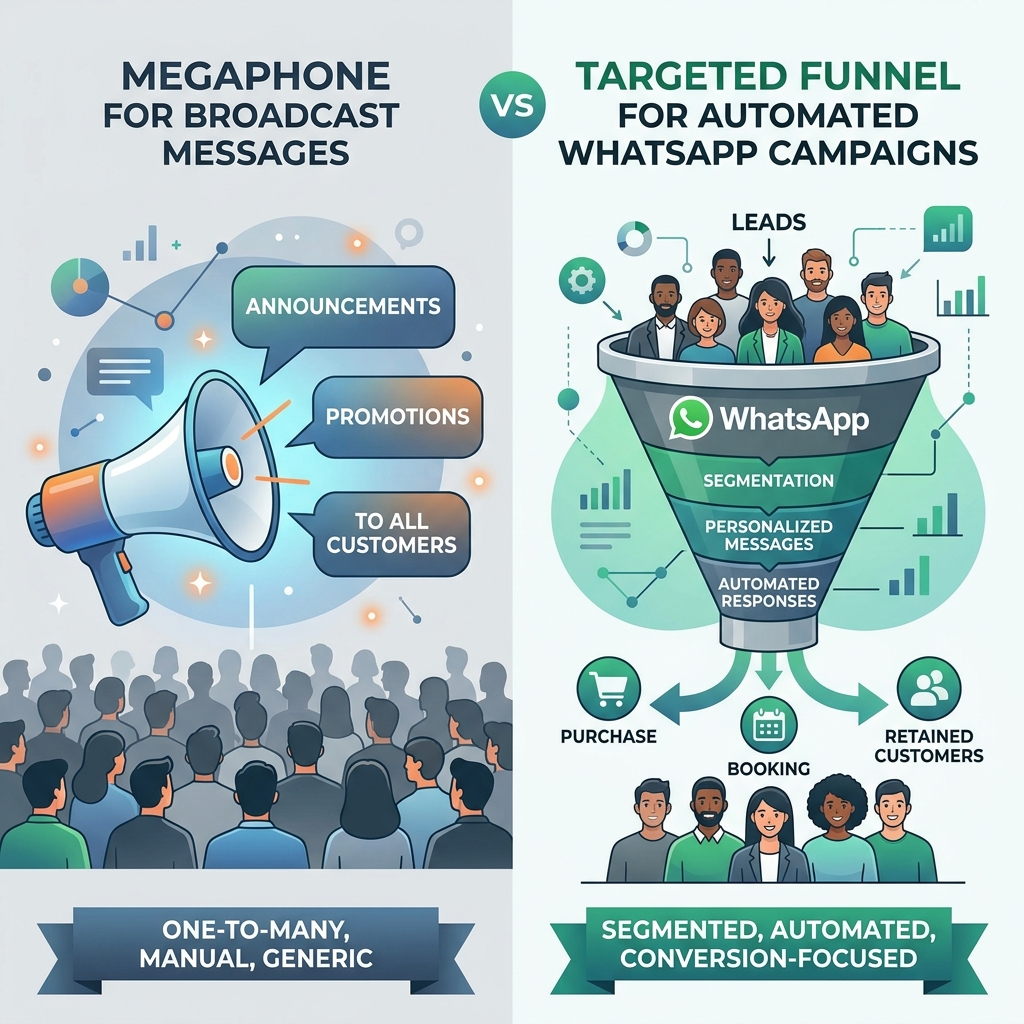
To fully grasp which strategy fits your current needs, let's compare them across four critical dimensions:
1. Trigger Mechanism
Broadcasts are triggered manually by a human at a specific point in time. Automated campaigns are triggered by an event—such as a user signing up, making a purchase, or a specific date arriving.
2. The Delivery Requirement
Standard broadcasts heavily rely on the recipient saving your contact number. This is a massive friction point for top-of-funnel leads. Automated campaigns via the API bypass this, requiring only that the user has opted in to receive messages.
3. Scale and Segmentation
While you can segment broadcast lists, managing multiple lists of 256 contacts is exhausting. Automated platforms allow dynamic segmentation based on real-time data, scaling seamlessly as your database grows to tens of thousands of contacts.
4. Personalization Capabilities
Broadcasts are generally one-size-fits-all. Automated campaigns utilize dynamic variables, ensuring every message feels incredibly bespoke.
Common Misconceptions
- Misconception 1: "Broadcasts are useless now." False. While automation is powerful, an ad-hoc broadcast is still the best tool for an impromptu announcement or sudden event.
- Misconception 2: "Automated campaigns are spammy." Automation, when done correctly, is the opposite of spam. Because messages are triggered by user actions, they are highly contextual and relevant, reducing opt-out rates.
- Misconception 3: "You can do all of this on the free app." Many business owners try to hack automation using basic auto-replies on the standard app. True behavioral automation requires the WhatsApp Business API.
Decision Checklist: Which should you use?
Not sure where to focus your energy? Use this checklist to decide your next move:
- Are you making a general, urgent announcement? Use a Broadcast.
- Do you want to follow up with leads who fill out a form? Build an Automated Campaign.
- Is your audience smaller than 250 highly engaged, loyal customers? A Broadcast might suffice.
- Are you trying to recover abandoned carts? Build an Automated Campaign.
- Do you want to create a predictable, scalable sales engine? You absolutely need Automated Campaigns.
How Zeserv Bridges the Gap
Transitioning from manual broadcasts to sophisticated automation doesn't have to be overwhelming. Zeserv is designed to offer the best of both worlds within a single, powerful platform.
With Zeserv, you bypass the limitations of the standard WhatsApp app. You can send targeted API-powered broadcasts to thousands of opted-in users without worrying about whether they've saved your number. More importantly, Zeserv's intuitive visual flow builder allows you to construct complex, highly personalized automated campaigns—from lead generation to post-sales support—in minutes, without writing a single line of code. It integrates directly with your existing tools, making it the ultimate command center for your WhatsApp marketing.
Frequently Asked Questions (FAQs)
Can I send a broadcast using the WhatsApp API?
Yes! When you use the WhatsApp Business API through a platform like Zeserv, you can send "promotional broadcasts" to massive lists. The difference is that you aren't constrained by the 256-contact limit or the requirement for them to save your number.
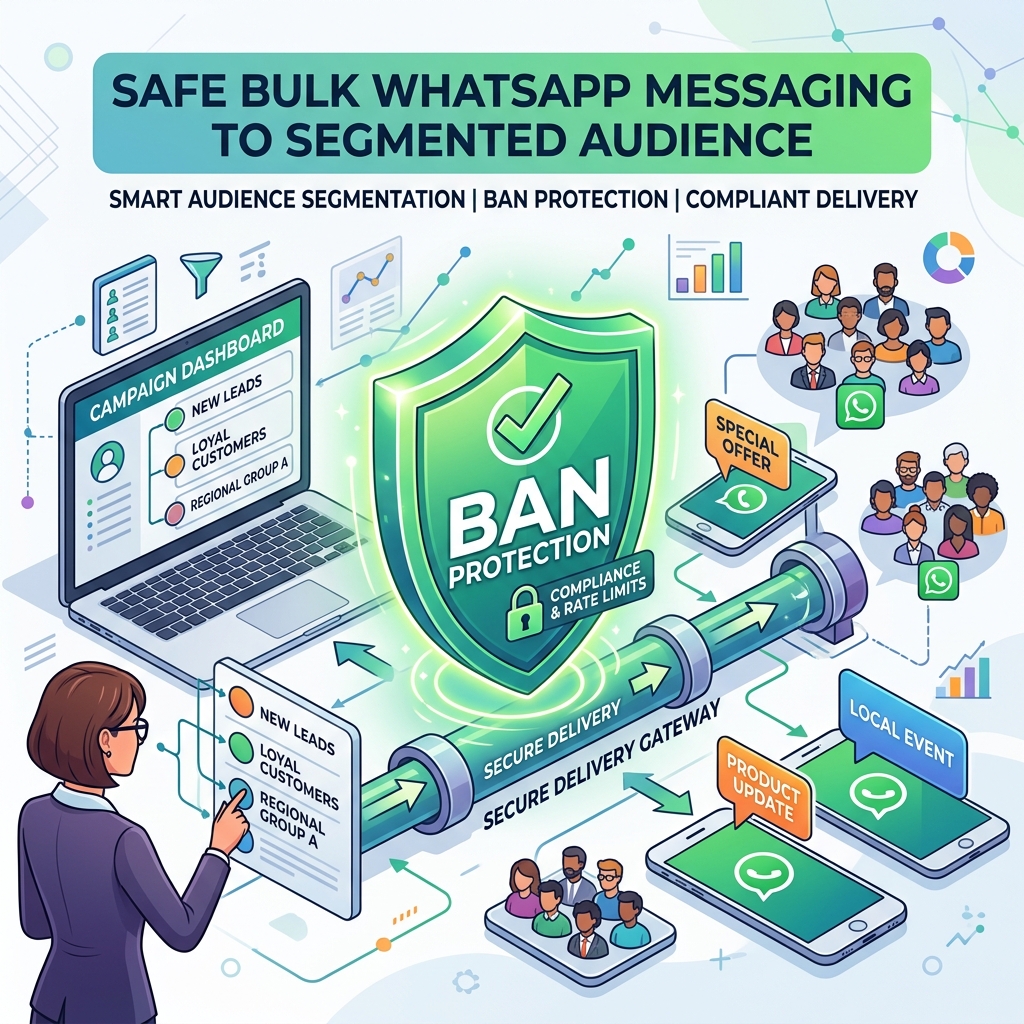
Will my account get banned if I send too many automated messages?
As long as you are using the official API, adhering to Meta's commerce policies, sending approved templates, and ensuring users have opted-in, your account is safe. Spamming users will result in poor quality ratings, which can lower your sending limits, but proper automation actually improves relevance.
Can an automated campaign hand off to a human agent?
Absolutely. Zeserv allows you to build automated flows that qualify leads and then seamlessly route the conversation to a human sales representative or support agent when complex assistance is required.
Conclusion
In the battle between Broadcast Messages and Automated WhatsApp Campaigns, there is no single loser—only different tools for different jobs. Broadcasts are your loudhailer for immediate, broad communication. Automated campaigns are your tireless, personalized sales force, working 24/7 to nurture and convert leads based on their specific behavior.
To maximize your revenue and efficiency, you need a strategy that incorporates both. By leveraging a comprehensive platform like Zeserv, you can graduate from the manual limitations of the standard app to the limitless potential of automated conversational commerce. Stop typing, start automating, and watch your business grow.